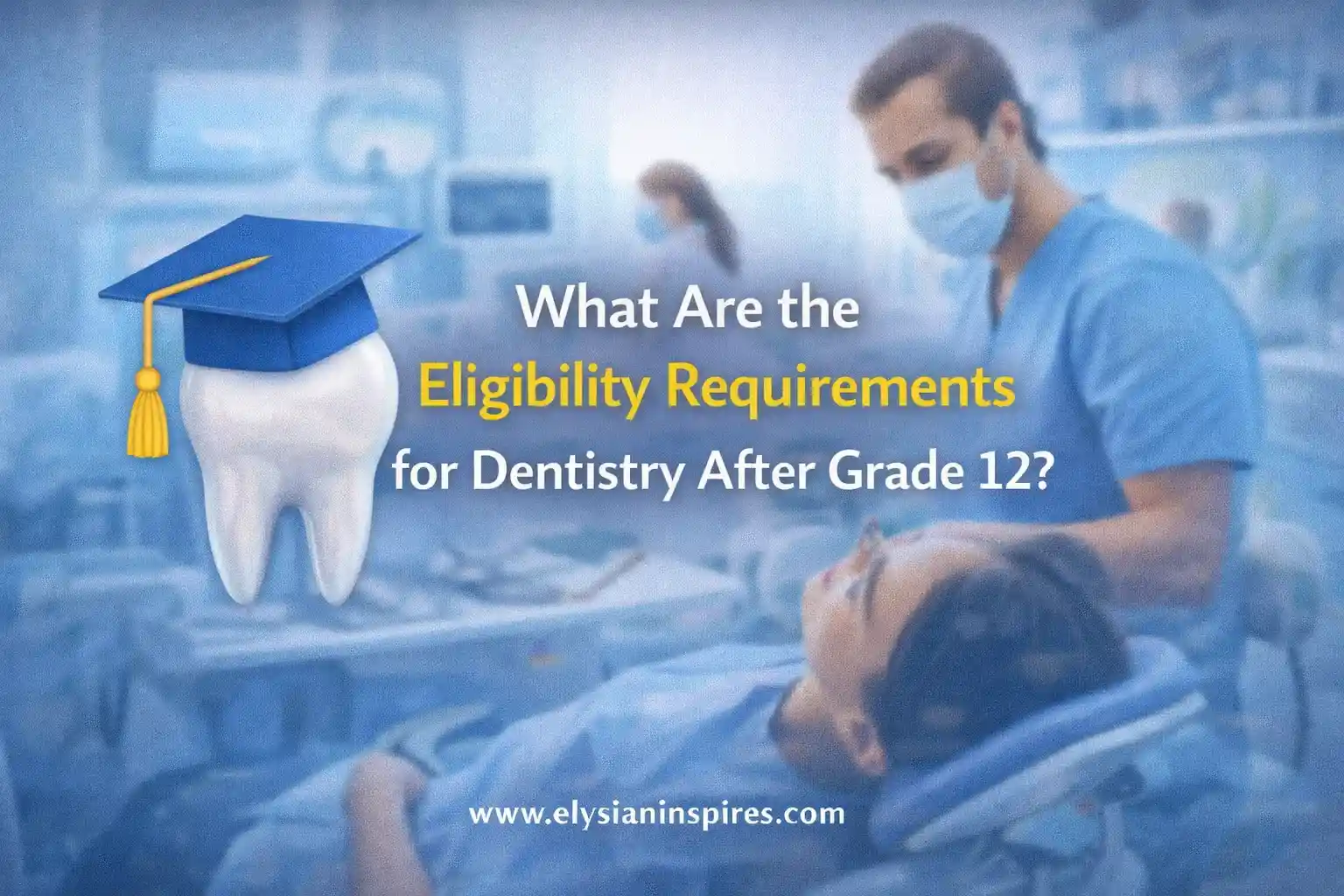
If you’re asking “What Are the Eligibility Requirements for Dentistry After Grade 12?”, the short answer (for India) is: you must complete Class 12 with Physics, Chemistry, Biology (or Biotechnology) and English, be at least 17 years old at admission, and qualify NEET-UG to get admission into BDS. Specific cut-offs, quotas, and documents can vary by state and college. Career Guidance !
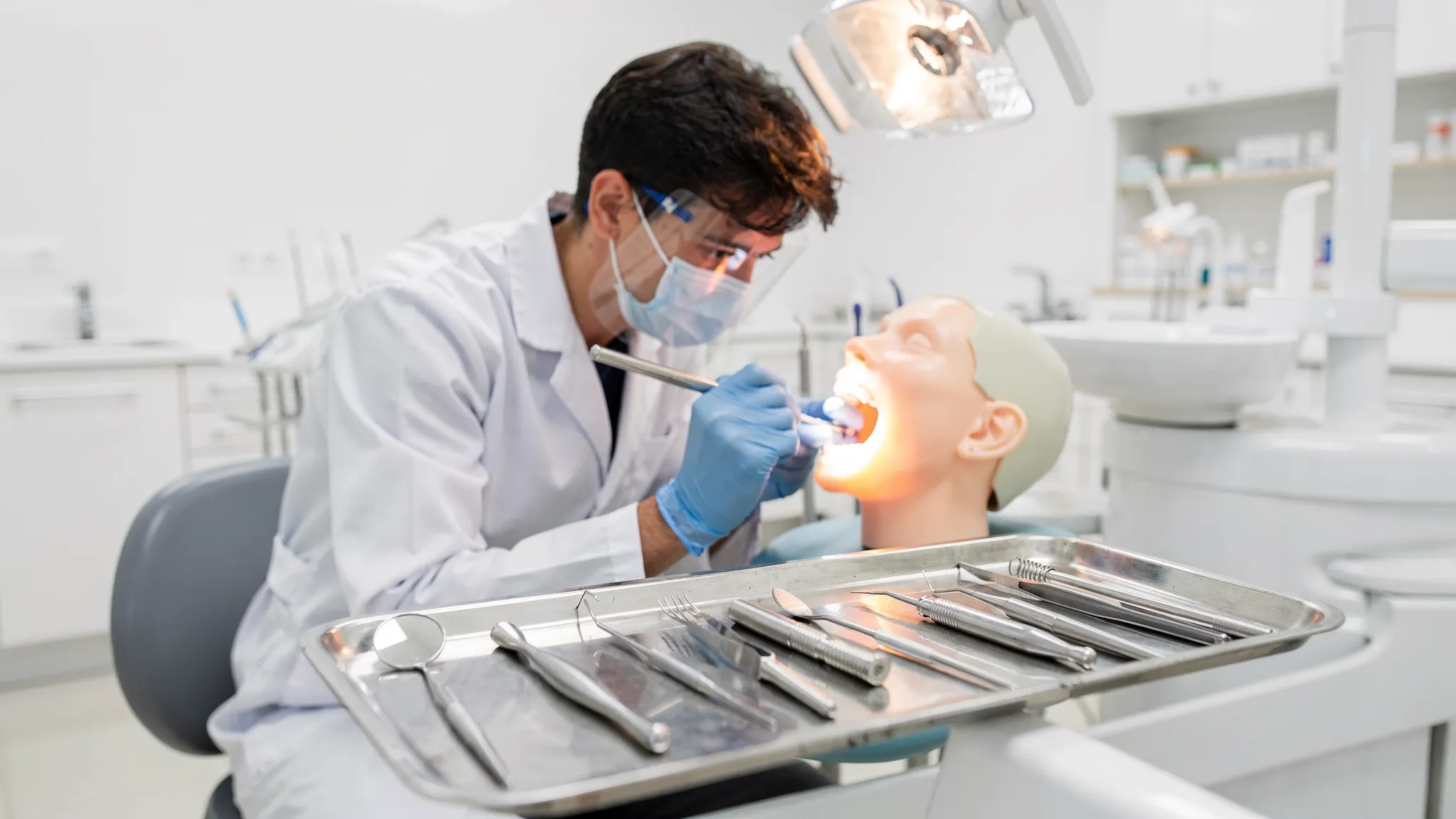
What Are the Eligibility Requirements for Dentistry After Grade 12?
In India, dentistry after Grade 12 usually means BDS (Bachelor of Dental Surgery).
To be eligible, you typically need to meet all of these conditions.
- Class 12 (10+2) from a recognized board
- Subjects: Physics, Chemistry, Biology/Biotechnology, and English
- Minimum age: 17 years at the time of admission (as per prevailing NEET rules)
- Entrance exam: NEET-UG qualification is required for BDS admission in India
If you came here searching exactly for What Are the Eligibility Requirements for Dentistry After Grade 12?, think of it as a 3-part filter: subjects, age, and NEET.
Do I need NEET for dentistry after 12th in India?
Yes, NEET-UG is the standard gateway for BDS admissions across India.
Most government, private, and deemed universities use NEET scores for seat allocation through counselling.
To stay updated on notifications, always verify with the official portals like the NEET (NTA) website and your state counselling authority.
What subjects are required for BDS after 12th?
You generally need:
- Physics
- Chemistry
- Biology (Botany + Zoology) or Biotechnology
- English
If you did not take Biology/Biotechnology in Class 12, BDS is usually not possible, because Biology is a core eligibility requirement.
What minimum marks are needed in Class 12 for BDS?
This is where many students get confused because rules are updated from time to time.
In practice, eligibility is based on:
- Passing Class 12 with the required subjects, and
- Meeting the minimum percentage in PCB (Physics + Chemistry + Biology) as per prevailing NEET/NMC-aligned rules used in admissions
A common benchmark used in admissions is:
- General category: around 50% in PCB
- Reserved categories (SC/ST/OBC): around 40% in PCB
- PWD: criteria may differ by category and notification
Because these can change across years and counselling rules, treat the above as a planning baseline, not a promise.
What age limit applies for dentistry after Grade 12?
Most students only remember “17+”, but the detail matters.
You typically must be:
- At least 17 years old at the time of admission (or by the date specified in that year’s NEET bulletin)
Upper age rules have changed across years, so if you are a mature applicant, confirm using the latest NEET-UG information bulletin.
Can I do dentistry after 12th Commerce or Arts?
Not directly.
If you studied Commerce or Arts in Class 12 without PCB, you generally cannot apply for BDS.
If you’re serious about dentistry, your realistic options are:
- Re-enter the science pathway (only if allowed via valid education routes), or
- Choose an allied healthcare route, or
- Pick career options aligned with your strengths through assessments and counselling
This is exactly where structured decision-making helps, especially if you’re balancing family expectations and time.
Can NIOS students apply for BDS?
Many students ask this because they want to add Biology later.
NIOS and other open-schooling routes may be accepted only if they meet the “recognized board + required subjects + valid marksheets” conditions used in counselling that year.
Because acceptance can vary depending on current rules and how subjects were taken, it’s safest to confirm eligibility before spending a year preparing.
If you want clarity, ELYSIAN INSPIRES can guide you through a document and pathway check via online career counselling for career guidance.
What documents are required for BDS admission?
Exact requirements vary by counselling authority, but commonly requested documents include:
- Class 10 and 12 mark sheets and certificates
- NEET-UG scorecard and admit card
- ID proof (Aadhaar/passport, as applicable)
- Category/PWD certificates (if applicable)
- Nativity/domicile certificate (for state quota, if applicable)
Pro tip: Keep both originals and multiple photocopies ready, plus scanned PDFs.
What is the admission process for dentistry after Grade 12?
If you like a clean roadmap, here’s the typical flow.
- Step 1: Ensure Class 12 PCB + English eligibility
- Step 2: Register and appear for NEET-UG
- Step 3: Check if you qualify NEET (cut-off depends on the year)
- Step 4: Apply for counselling (AIQ via MCC and/or state counselling)
- Step 5: Fill choices, lock preferences, and attend document verification
- Step 6: Seat allotment, fee payment, and college reporting
For counselling updates, the Medical Counselling Committee (MCC) is a key reference for All India Quota.

What’s the difference between BDS eligibility and MBBS eligibility?
Many families assume they are identical.
They are similar because both typically require PCB + English and NEET-UG, but differences show up in:
- Seat availability and closing ranks
- Fee structures across colleges
- Course focus and daily work (medical diagnosis and hospital rotations vs oral health, procedures, and clinic-based practice)
If you’re choosing between them, don’t decide only based on “I got this score”.
Decide based on your interest in hands-on procedures, patient interaction style, and long-term career vision.
What are the pros and cons of choosing dentistry after 12th?
A strong decision needs both sides.
What are the biggest advantages of BDS?
- Clinical, hands-on profession from early stages compared to many theory-heavy degrees
- Good scope for private practice with experience and planning
- Multiple specialization options later (MDS) and non-clinical paths (academics, hospital administration, healthcare management)
What are the real challenges of BDS?
- Early income can be variable, especially without specialization or strong mentorship
- Requires patience, consistent practice, and strong communication skills
- Competition for top colleges and specializations can be intense
If you’re unsure, this is the stage where a neutral third-party perspective helps more than relatives’ advice.
What if my NEET score is low but I still want dentistry?
This is more common than people admit.
Your options usually fall into three buckets.
Option 1: Take a drop year and reattempt NEET
This can work if your fundamentals are decent and you can follow a realistic plan.
If you’re emotionally drained, first read: Unhappy with your NEET exam scores?
Option 2: Explore allied healthcare degrees
Depending on your interests, you might like patient-facing or lab-focused roles.
Option 3: Pick skill based courses that keep you employable
If your priority is to start earning sooner, skill based courses can be practical.
The key is choosing them strategically, not randomly.
If you want examples, ELYSIAN INSPIRES already explains options in: Which skill based courses after 12th can help you start earning immediately?
BDS vs allied health vs skill based courses: what should you choose?
There is no “best” path, only the best-fit path.
Here’s a simple comparison to help you think clearly.
| Path | Typical entry requirement | Time to start working | Best for students who want |
|---|---|---|---|
| **BDS (Dentistry)** | Class 12 PCB + NEET qualification | Medium (after clinical training) | A clinical career focused on oral health and procedures |
| **Allied healthcare degrees/diplomas** | Varies by program (often PCB) | Often faster than BDS | Healthcare exposure with earlier job entry |
| **Skill based courses** | Often flexible (depends on course) | Fast (months) | Quick employability and practical, job-ready skills |
Notice how skill based courses are not a “lesser” choice.
They are a different strategy, especially when time, finances, or personal fit matters.
What skills do I need to succeed in dentistry (beyond eligibility)?
Eligibility gets you into college.
Skills keep you confident and employable.
Dentistry students who do well usually build:
- Fine motor skills and patience for precise procedures
- Communication and reassurance because many patients are anxious
- Consistency (small daily practice beats last-minute effort)
- Business awareness if you plan private practice later
If you’re still in school, some skill based courses in communication, basic psychology, digital tools, or even portfolio/profile building can help you long-term.
How can ELYSIAN INSPIRES help you decide if dentistry is right for you?
Many students meet the eligibility but still feel unsure.
That’s normal.
At ELYSIAN INSPIRES, we focus on helping you make a decision that matches both your abilities and your reality.
Here’s what typically helps:
- Scientific assessments to understand strengths and learning styles (example: DMIT in Chennai)
- Career clarity using structured testing (read: Psychometric test and its impact on career)
- Support for exam anxiety and overwhelm when NEET pressure is high (see: Counselling for exam stress)
If you’re looking for the best career counsellor in india for a practical, non-judgmental plan, you can start with online counselling for career guidance from anywhere.
If you’re a Class 12 student currently deciding, this guide also helps: Career guidance for 12th std students.
Key takeaways (quick recap)
- If you’re asking What Are the Eligibility Requirements for Dentistry After Grade 12?, the core requirements are PCB + English in Class 12, age 17+, and NEET qualification.
- Exact marks, cut-offs, and counselling rules can change year to year.
- BDS is a strong option for students who like clinical, hands-on work, but it needs long-term planning.
- If NEET does not go as expected, allied health and skill based courses can still lead to stable careers.
Book a personalized counselling session with ELYSIAN INSPIRES
If you’re still confused after reading What Are the Eligibility Requirements for Dentistry After Grade 12?, don’t worry.
Most students don’t need more information, they need a clear decision framework.
Book a session with ELYSIAN INSPIRES to map your eligibility, NEET plan, and backup options, including high-ROI degrees and skill based courses.
Get started here: Online Career Counselling or explore our broader support at Career Counselling in Chennai.
Frequently Asked Questions
What are the eligibility requirements for dentistry after Grade 12 in India?
You typically need Class 12 with Physics, Chemistry, Biology or Biotechnology, and English, meet the age requirement (usually 17+ at admission), and qualify NEET-UG for BDS admission.
Is NEET compulsory for BDS admission?
Yes. In India, NEET-UG is the standard entrance examination for BDS admissions through counselling in most government and private dental colleges.
Can I do dentistry after 12th without Biology?
Generally no. Biology, or Biotechnology where accepted, is a core subject requirement for dentistry programs like BDS.
What minimum percentage is required in Class 12 for BDS?
The requirement varies by year and category, but many admissions follow a baseline such as 50% in PCB for General category and 40% for reserved categories, subject to official guidelines.
What is the age requirement for dentistry after 12th?
Most admissions require candidates to be at least 17 years old at the time of admission or by the date specified in that year’s NEET information bulletin.
Can I apply for BDS through management quota without NEET?
Typically no. Even management quota seats in most institutions require NEET qualification as per prevailing admission regulations.
What if my NEET score is low but I still want a healthcare career?
You can consider a drop year with a structured plan, explore allied healthcare programs, or choose job-focused skill based courses for faster employability.
How can online counselling help me choose between BDS and alternatives?
Online counselling helps assess aptitude, interest, financial constraints, and realistic admission chances, then builds a clear step-by-step plan for BDS or suitable alternative healthcare paths.