


How to Pursue Photography Passion Without Leaving a Banking Career

You can pursue photography seriously without quitting banking by treating it as a structured second track: pick one niche, commit to a realistic weekly practice schedule, build a small portfolio with clear boundaries (time, ethics, employer policy), and slowly monetize through low-risk options like weekend shoots, stock licensing, or brand collaborations once your skills and workflow are consistent. Career Counselor Contact Number
If you searched How to Pursue Photography Passion Without Leaving a Banking Career, this guide gives you a practical plan you can start this week.
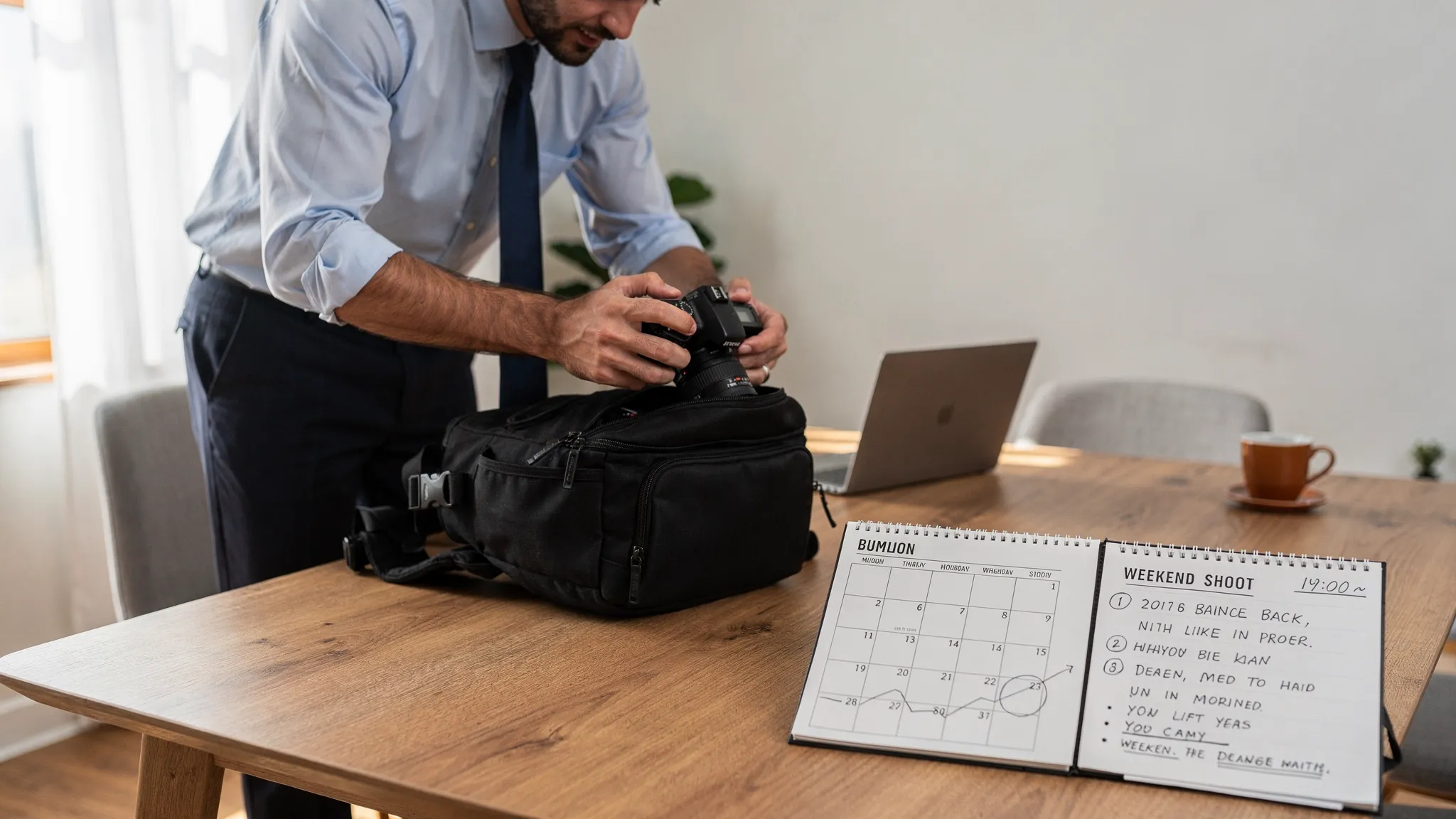
Can I really pursue photography while staying in banking?
Yes, and it is often the smartest way to do it.
Banking gives you stable income, predictable credibility, and a strong network. Photography gives you creative energy, a skill you can monetize, and a long-term exit option if you ever choose it.
The goal is not “work two full-time jobs”. The goal is a dual-career design where photography grows without damaging performance, reputation, or compliance at work.
What are the biggest benefits of doing both?
Here are the benefits most bankers notice within 8–12 weeks:
- Stress relief and identity balance: you are more than your job title.
- Sharper observation and storytelling: useful for client conversations and presentations.
- A second income stream: slow at first, meaningful over time.
- A portfolio that compounds: every shoot builds proof of skill.
What does a realistic “banker-to-photographer” plan look like?
A realistic plan has three pillars: skill, portfolio, and visibility.
If you want How to Pursue Photography Passion Without Leaving a Banking Career to actually work, your plan must be measurable, not motivational.
What is a good weekly time commitment?
Most working professionals can sustain 4–6 hours/week without burnout.
That usually looks like:
- 2 short weekday sessions (45–60 mins) for practice/editing
- 1 longer weekend block (2–3 hours) for shooting
If your schedule is intense (quarter-end, audits, targets), scale down to 2–3 hours/week and protect consistency.
What should I focus on first: camera skills or editing?
Both, but in the right order.
Start with shooting fundamentals (light, composition, exposure), then build editing competence to match your style.
A simple learning sequence:
- Exposure triangle + focus modes
- Natural light practice
- Composition (rule of thirds, leading lines, framing)
- Editing workflow (basic color, contrast, crop)
Which photography niche fits best with a banking schedule?
Choose a niche that fits your time availability, energy, and risk tolerance.
A niche is not a permanent marriage. It is a 90-day commitment so you can improve fast.
What are the best niches for weekend-based photographers?
Here is a practical comparison.
| Niche | Best for | Time demand | Pros | Cons |
|---|---|---|---|---|
| Portraits (outdoor/at-home) | Building a strong portfolio quickly | Medium | Repeatable setup, fast improvement | Client handling needed |
| Events (small functions) | Fast income potential | High | Paid opportunities come sooner | Long hours, weekend-heavy |
| Product photography | People who like controlled setups | Medium | Can shoot at home, strong commercial skill | Lighting learning curve |
| Street/travel | Storytelling and practice | Low | Low cost, creative | Harder to monetize early |
| Stock photography | Passive income mindset | Low | Scales over time | Slow payouts, high volume needed |
If you are in a high-compliance banking role, start with portraits, street, travel, or stock before you take on large paid events.
How do I start without risking my banking job?
Start “quietly professional”. That means you act like a pro in your process, not necessarily in your publicity.
What workplace rules should I check first?
Before you monetize, check:
- Your employment contract clauses (moonlighting, conflict of interest)
- Social media policy (branding, employer name usage)
- Whether client photography could overlap with your bank’s clients
- Whether you can accept cash payments publicly
If in doubt, keep it as a hobby first, or take written clarity from HR.
What are low-risk ways to begin monetizing?
These options usually have lower conflict risk:
- Stock licensing (no direct client relationship)
- Print sales (landscapes, cityscapes)
- Weekend mini-sessions (friends, referrals)
- Skill-based gigs (editing, retouching)
The moment you do paid work regularly, treat it like a small business (basic invoicing, clear deliverables, client communication).
How much should I invest in gear as a beginner?
Buy for learning, not for ego.
A common mistake is buying expensive bodies and ignoring lenses and light.
What gear is “enough” for strong results?
For most beginners:
- A reliable camera body (DSLR or mirrorless)
- One versatile lens (a prime lens or a good zoom)
- A basic tripod
- One simple light source (even a budget soft box) if doing portraits/products
Upgrade only when your current gear becomes a real limitation, not a temporary frustration.
Should I rent instead of buying?
Renting is excellent when:
- you want to test a lens before purchase
- you have a paid shoot that needs a specific focal length
- you want occasional upgrades without long-term cost
How do I build a portfolio if I only shoot on weekends?
Build a portfolio like a banker builds a pipeline: consistent, documented, and repeatable.
What is the fastest portfolio strategy?
Do 3 portfolio projects in 30 days.
Each project should have:
- a clear theme (example: “Chennai morning light portraits”)
- 15–20 strong selects
- a simple online album
Keep your portfolio focused. A mixed portfolio slows client trust.
What are examples of portfolio projects that work?
Here are beginner-friendly examples:
- “10 professionals, 10 headshots” (outdoor portraits)
- “Local brands pack shots” (product photography at home)
- “Chennai streets in monsoon light” (street storytelling)
The best portfolio is not the most artistic. It is the most clear and consistent.
How do I get clients without feeling awkward or salesy?
Use a referral-first approach.
Your first 5 paid shoots usually come from people who already trust you.
What should I say when offering your first paid shoot?
A simple script works:
“I’m building my portfolio in [niche]. I’m taking 3 weekend slots this month at an introductory price. You’ll get [number] edited photos within [timeline]. Interested?”
Keep it clean and confident.
How do I price my work early on?
Price based on time and deliverables, not your self-doubt.
Track:
- shooting time
- travel time
- editing time
- delivery time
When you know your real hours, pricing becomes logical.
How do I manage time and avoid burnout?
Burnout happens when you add photography on top of an already overloaded life without boundaries.
What boundaries actually work?
These are realistic boundaries for bankers:
- “No shoots on weekdays.”
- “Only 2 weekends/month for client work.”
- “Editing happens in two fixed slots per week.”
- “One weekend/month is fully off.”
Also, avoid making every shoot a high-pressure gig. Keep at least one shoot per month purely for joy.
What does a simple weekly schedule look like?
Here is a sample schedule many professionals sustain:
| Day | Time | Focus |
|---|---|---|
| Tue | 45 mins | Edit 10 photos + learn one tool |
| Thu | 45 mins | Practice (light/composition) |
| Sat | 2–3 hours | Shoot (portfolio or client) |
| Sun | 60 mins | Selects, backup, plan next week |
What are the pros and cons of keeping photography as a “side passion” long-term?
This is the honest comparison.
Pros
- Stable income + creative fulfilment
- Lower financial risk
- More selective about clients
- Slower, deeper skill development
Cons
- Growth is slower than full-time creators
- Weekend time gets tight
- You may face social pressure (“either quit or don’t do it”)
For many people, How to Pursue Photography Passion Without Leaving a Banking Career is not a temporary phase. It becomes a sustainable lifestyle.
When should I consider turning photography into a serious second income?
Move from “hobby” to “structured side income” when you can do these consistently:
- deliver edited photos on time
- handle client expectations calmly
- repeat a consistent style
- earn enough to justify your time (even if small)
A good milestone is completing 10–15 shoots with clear feedback and improved results.
How can a career counsellor help me plan both careers without confusion?
A career counsellor helps you make decisions with evidence, not emotion.
Banking professionals often feel stuck between “safe job” and “creative dream”. The real solution is a plan that respects your finances, personality, and long-term goals.
At ELYSIAN INSPIRES, our career consultancy services for working professionals focus on clarity and execution, not generic advice.
What would a counselling plan typically cover?
A structured plan can include:
- strengths and interest mapping (including scientific assessments)
- a realistic timeline for photography growth
- income-risk planning (how much to invest, when)
- role alignment (banking roles that support creative work)
- profile building and CV support if you later pivot
If you want support specific to working professionals, explore Career Development Counselling for Working Professionals.
What if I need guidance but can’t visit in person?
You can take a career counsellor online counselling for career guidance session through Online Career Counselling.
This is useful if your banking hours are long or you travel.
I’m based in Tamil Nadu. Can I get local help?
Yes. If you are looking for career counselling Chennai professionals who understand real-life constraints, our team supports students and working adults with personalized plans.
You can also review Professional Career Counselling in Chennai to see how structured counselling works.
What if my family thinks photography is “not practical”?
Your family usually worries about risk, not your happiness.
A calm way to handle it is to show a plan with milestones, time boundaries, and financial discipline.
What is a “parent-friendly” explanation?
Try this:
“I’m not leaving banking. I’m building a skill on weekends. I’ll review results after 6 months and decide the next step based on progress.”
It reduces fear because it is structured.
How can I use my banking strengths to become a better photographer?
Your banking skills are not separate from photography. They are an advantage.
Examples:
- Client handling and professionalism
- Process discipline (checklists, backups, timelines)
- Negotiation and pricing confidence
- Comfort with targets and tracking progress
In short, a banker can become a very reliable creative professional.
What are key takeaways if I want to start this month?
- Pick one niche for the next 90 days.
- Block 4–6 hours/week and protect it.
- Build 3 portfolio projects before chasing followers.
- Check employer policies before monetizing.
- If you feel torn, talk to a career counsellor and create a dual-career roadmap.
If you want to connect quickly, ELYSIAN INSPIRES shares an education counsellor contact no and career counselor number on the official contact page: Online Career Counselor Contact Number.
As per the website, you can call +91 7299 932 010 to book a session.
Frequently Asked Questions
How can I pursue photography without leaving a banking career if I have no time on weekdays?
Is it legal to do paid photography while working in a bank?
What photography niche works best for bankers with limited time?
How can career counselling in Chennai help me balance my job and photography passion?
Do I need a career counsellor to plan a creative side career?
How do I contact ELYSIAN INSPIRES for online guidance?
