


Why Do Some College Students Feel Depressed After a Semester Ends?
Some college students feel depressed after a semester ends because the sudden drop in pressure and routine creates a letdown effect, there is less structure and social contact, uncertainty about grades and the future grows, and sleep and stress hormones shift. For many, it is a short post-stress dip that improves within one to three weeks, but if low mood persists or affects daily life, professional help is recommended.
Key takeaways at a glance
- Post-semester sadness often comes from the letdown after intense exams, loss of schedule, and future uncertainty.
- Most students feel better once routine, social connection, and small goals return.
- Seek help if symptoms last beyond two weeks, worsen, or include thoughts of self-harm.
- Career clarity reduces anxiety by turning the break into a plan, not a void.
- ELYSIAN INSPIRES offers exam stress counselling and personalized academic or career guidance in Chennai, including online options.
What is the “post-semester letdown,” and is it normal?
The post-semester letdown is a short-term mood dip that follows intense academic stress. When the pressure ends, your brain reduces stress hormones, and energy drops.
This can feel like emptiness, low motivation, or sadness after exams, even when you were worried about semester exam fear just days ago.
Most college students recover as they rebuild routine and reconnect with friends.
Is this the same as depression or burnout?
Not always. Here is a simple comparison to help you decide what you are facing.
| Experience | Typical duration | Common signs | What helps first | Seek help when |
|---|---|---|---|---|
| Post-semester slump | Days to 1 to 3 weeks | Flat mood, low motivation, disrupted sleep after exams | Rebuilding routine, light exercise, social time, purpose-driven micro-goals | If not improving after 2 weeks or daily function suffers |
| Clinical depression | Weeks to months | Persistent sadness, loss of interest, guilt, sleep or appetite changes | Professional evaluation, therapy, sometimes medication | Immediately if thoughts of self-harm |
| Burnout | Weeks to months | Exhaustion, cynicism, reduced efficacy, often academic overload | Rest, boundaries, workload reset, supportive coaching | If functioning or health keeps declining |
For more on depression symptoms, see the National Institute of Mental Health’s overview at the NIMH, and the WHO fact sheet for global guidance.
Why do some college students feel low right after exams end?
Several overlapping factors can trigger the blues after a semester ends.
- The letdown effect, your body relaxes after prolonged stress, which can briefly lower mood and energy. See general stress insights from the American Psychological Association.
- Loss of structure, without classes, labs, or deadlines, time can feel empty.
- Social disruption, friends travel, hostel rooms empty, and daily interactions drop.
- Uncertainty, waiting for grades, internships, or placements increases worry.
- Comparison, social media highlights make others look productive or happy.
- Sleep and body clock swings, late nights during exams can trigger mood changes afterward.
- Financial or family stress, returning home can bring pressure to “use the break well.”
- Weather and light changes, seasonal shifts affect mood in some people.
If you felt intense semester exam fear, the quick shift from overdrive to idle can amplify the emptiness.
How does semester exam fear flip into sadness after exams?
During exams, adrenaline and focus keep you moving. When it stops, the drop can feel like a crash.
You may question your performance, your course fit, or your next semester. This gap can be filled with doubt if there is no plan.
Naming it helps. “I am experiencing a post-stress dip after intense semester exam fear, and it will pass with routine and support.”
What signs mean I should speak to a professional?
Reach out if any of the following are present:
- Low mood most days for two or more weeks
- Loss of interest in activities you usually enjoy
- Sleep or appetite changes, or constant fatigue
- Thoughts of self-harm, or feeling hopeless
- Declining academic or daily functioning
If in crisis, contact a licensed mental health professional or local helpline immediately. Do not wait.
What can I do in the next 72 hours to feel better?
Quick, science-aligned steps can speed recovery.
- Reset your body clock, go to bed and wake up at regular times for three nights.
- Move your body, a 20 to 30 minute brisk walk daily improves mood.
- Reconnect, meet one friend or call a mentor today.
- Create micro-goals, list three tasks for the day, for example laundry, 1 page of CV, 15 minute reading.
- Limit doom scrolling, set two 20 minute social media windows and switch your phone to grayscale between them.
- Add small joys, sunlight for 15 minutes, your favorite music, or a hobby you paused.
- Align with values, do one action that supports who you want to be, volunteer for an hour or draft your internship email.
These steps are practical, low risk, and help most college students feel forward momentum again.
Can career clarity reduce post-semester blues?
Yes. Lack of direction feeds anxiety. A simple plan for the break gives meaning to your days.
Career counselling turns a vague break into measurable steps, for example clarify strengths, shortlist roles, draft a strong CV, and send targeted applications.
If you prefer guidance with an experienced team in Chennai, explore Career Counselling in Chennai at ELYSIAN INSPIRES.
How does ELYSIAN INSPIRES support students right now?
ELYSIAN INSPIRES focuses on practical, personalised guidance.
- Multiple Intelligence based assessments to highlight your natural strengths
- One to one counselling to align interests, skills, and study paths
- Profile building and CV writing to prepare for internships or placements
- Guidance for higher studies and course selection
- Exam stress counselling to manage performance anxiety and recovery
- Online appointment booking for convenience
If you are exploring online counselling for career guidance, ELYSIAN offers supportive sessions tailored to students and working professionals.
Should I rest, take a short course, or start an internship now?
Each option has benefits and trade offs. Pick what matches your energy, goals, and mental health.
| Option | Best for | Benefits | Considerations |
|---|---|---|---|
| Rest for 1 to 2 weeks | High exam fatigue, burnout signs | Sleep recovery, mood reset, time with family | Add light structure so days do not feel empty |
| Short skill course | Curious learners, first and second years | Builds confidence, tangible progress | Avoid overloading if you are still exhausted |
| Internship or project | Final years, portfolio builders | Real experience, stronger CV, clarity about roles | Plan hours, protect weekends to prevent new burnout |
| Volunteering | Students seeking purpose | Social contact, meaning, references | Choose roles that fit your schedule |
A career advisor can help you sequence these so you get both rest and progress.
What are the benefits of speaking to a counsellor versus managing alone?
Managing alone can work, but support speeds up clarity.
- Personalized plan, someone maps your strengths to the right roles and courses
- Accountability, weekly check ins keep you moving
- Tools, CV templates, interview prep, and profile building
- Emotional support, especially around semester exam fear and performance anxiety
Working with counsellors like ELYSIAN INSPIRES in Chennai helps you reduce trial and error.
Is this different for first years, final years, and students after 12th?
Yes. Context matters.
- First years, the shift to college life, hostel, and group study can be overwhelming. After exams, loneliness can spike. Focus on routine, clubs, and micro-goals.
- Mid course students, explore internships, projects, and electives that fit your strengths.
- Final years, uncertainty about jobs or higher studies can fuel anxiety. Create a 4 to 6 week action plan with applications and mock interviews.
- After 12th students, you are making high stakes choices. Counselling for students after 12th clarifies streams, courses, and colleges with data, not guesswork.
ELYSIAN supports career guidance after 12th and for college students at every stage.
How do I talk to my parents about how I feel and what I plan to do?
Keep it simple and specific.
- Share the feeling, “I am feeling low after exams. It is common after long stress.”
- Share the plan, “I will sleep on a schedule, walk daily, and finish my CV this week.”
- Ask for support, “Please help me limit comparisons and trust my timeline.”
Showing steps reduces worry and invites cooperation.
What if I am already seeing a therapist?
That is great. Therapy addresses mood and thought patterns.
Career counselling complements therapy by turning insight into an academic or career plan. With your consent, both professionals can align on goals and pace.
How long until I feel like myself again?
For many, energy and mood lift in one to three weeks. You can shorten this with routine, movement, social time, and purpose.
If you do not notice any shift after two weeks, reach out for a review with a clinician or counsellor.
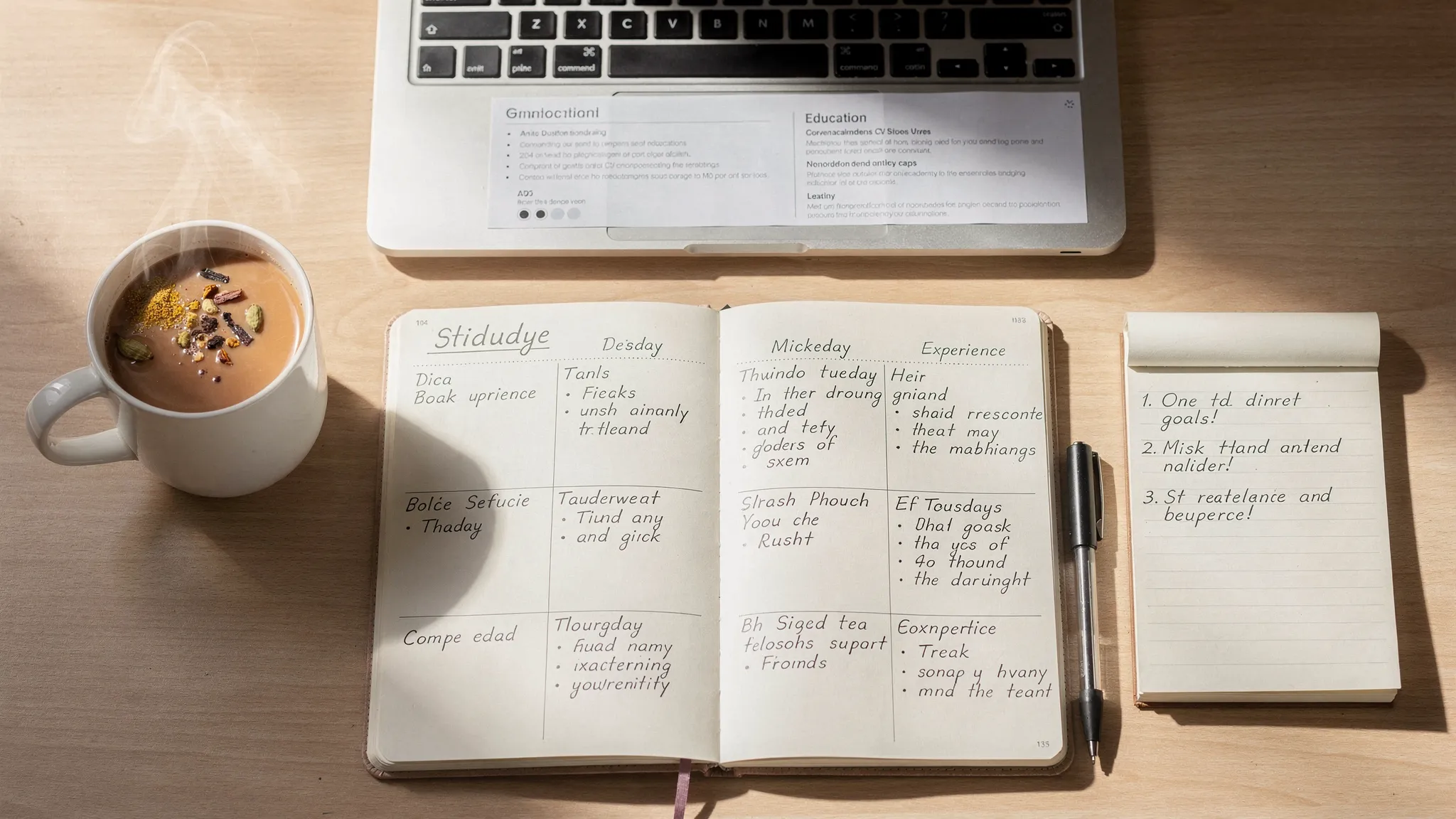
Quick examples from real student scenarios
- The first year student, after hostel move and tough finals, he feels empty at home. He sets a sleep schedule, meets one friend each day, and takes a two week coding micro course.
- The final year student, anxious while waiting for results and placements, she schedules three company reach outs, updates LinkedIn, and starts mock interviews.
- The after 12th student, overwhelmed by choices, she books an assessment and discovers she thrives in design allied fields, not pure engineering.
Small steps, clear goals, and support change the tone of your break.
Helpful, credible resources
- WHO, Depression fact sheet
- NIMH, Depression basics
- American Psychological Association, Stress
These do not replace clinical care. They are starting points for understanding. Ready to turn this break into a confident next step? Book a personalised session with ELYSIAN INSPIRES. Get assessments, one to one guidance, and a clear action plan for academics, internships, or higher studies. Start here, ELYSIAN INSPIRES, Career Counselling in Chennai.
FAQ
Why do I feel worse after the tension of exams is over?
The letdown effect is common after long stress. When adrenaline drops, mood can dip. Routine, movement, and small goals usually help.
How do I know if this is depression and not just a slump?
If low mood, loss of interest, or sleep changes persist beyond two weeks, or daily life suffers, consult a professional.
Can career counselling help my mood?
Yes. Clarity reduces uncertainty and gives your day structure. A plan for internships, courses, or projects often lifts motivation.
Is it okay to fully rest for two weeks?
Yes, if you are exhausted. Add gentle structure so rest restores you and does not turn into rumination.
Should I start an internship immediately?
If you have energy, it can help. If you are drained, rest first, then begin a short project or part time role.
What if my parents want me to be productive right away?
Share a simple plan that includes rest plus small wins. Involve them in milestones, for example CV draft by Sunday.
Does semester exam fear cause post-exam sadness?
It can. The rapid shift from hyper focus to free time can feel empty. A plan and support reduce the gap.
Can ELYSIAN INSPIRES help if I am not in Chennai right now?
Yes. ELYSIAN offers online counselling for career guidance along with in person options in Chennai.
